
Urgent: GitLab warns of critical vulnerability, advises immediate patching
GitLab, a popular DevOps platform, has recently released a critical security update to address several high-severity vulnerabilities. Organizations using GitLab must prioritize upgrading to the latest patched versions...
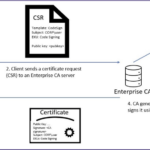
Critical Active Directory certificate services vulnerabilities: implications and mitigation strategies
Microsoft’s Active Directory Certificate Services (AD CS), a PKI implementation in Active Directory environments, has been found to contain critical vulnerabilities that can enable attackers to gain long-term...

Critical vulnerability compromises the security of .MOBI top-level domain
A recent vulnerability discovery has exposed a glaring security flaw in the .MOBI domain name ecosystem. This vulnerability, stemming from an expired WHOIS server domain, has allowed a...

Threat landscape: EV charging infrastructure under attack
As electric vehicles (EVs) gain traction, their reliance on interconnected systems and widespread public charging infrastructure introduces significant cybersecurity risks. Vulnerabilities inherent in EV software and charging stations...
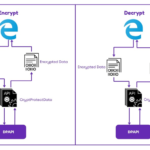
Browser-based credential theft: a growing threat
In the evolving cybersecurity landscape, web browsers have become a primary target for cybercriminals seeking to steal users’ credentials. This shift has significant implications for individuals and organizations...

Critical Zero-Day vulnerability in Microsoft’s App Control
Microsoft has released a critical security update to address an actively exploited zero-day vulnerability affecting its Windows Smart App Control (SAC) and SmartScreen security features. This vulnerability has...

Critical RCE vulnerabilities in Ivanti Endpoint Manager grant remote server access to attackers
Ivanti has released security updates for its Endpoint Manager (EPM) 2024 and 2022 SU6 versions to address multiple severe and critical vulnerabilities that could lead to unauthorized access...

WhatsApp’s view once privacy flaw: exploited and abusable
WhatsApp’s “View Once” feature, designed to enhance privacy by allowing users to share disappearing photos and videos, has come under fire due to a critical security flaw. This...