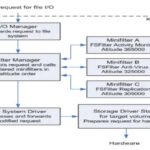
Windows MiniFilter vulnerability: a threat to EDR security
Endpoint Detection and Response (EDR) solutions are essential for modern cybersecurity defenses. However, research has revealed a vulnerability in Windows MiniFilter drivers that can be exploited to prevent...
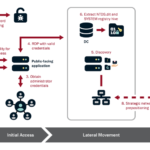
PRC-Linked cyber actors leveraging massive botnet for malicious activities
In a joint cybersecurity advisory, the FBI, Cyber National Mission Force (CNMF), and National Security Agency (NSA) have exposed a significant threat to Internet-connected devices. Chinese hackers have...

Critical Windows kernel vulnerability disclosed
Microsoft has issued an urgent warning regarding a critical Windows kernel vulnerability (CVE-2024-37985) that could result in the disclosure of sensitive information. This vulnerability affects ARM-based systems and...

Apple iOS 18 patches 32 security flaws
Apple has released iOS 18, a major software update that addresses a multitude of security vulnerabilities across its operating system. These vulnerabilities posed significant risks to user privacy...
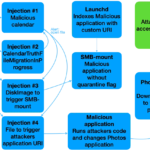
Critical macOS Calendar vulnerability: zero-click execution of malicious code
A severe zero-click vulnerability has been discovered within Apple’s macOS Calendar application, posing a significant threat to user security. This vulnerability enables attackers to compromise user devices without...

Cybercriminals exploit legitimate software for insidious attacks
Cybercriminals are evolving their tactics, leveraging legitimate software to evade detection and compromise systems. By blending into normal network traffic, these actors render traditional security measures ineffective, making...

Critical Cisco vulnerability threatens Web-Based management interfaces
Cisco has recently disclosed a severe vulnerability (CVE-2024-20381) impacting the JSON-RPC API feature used by various web-based management interfaces in its products. This flaw poses a significant risk...
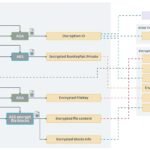
Cybersecurity alert for Small and Mid-sized Businesses: CosmicBeetle threat actor on the rise
Small and mid-sized businesses (SMBs) are increasingly becoming targets of cybercriminals due to weaker security measures and lack of cybersecurity awareness. Cyberattackers often exploit vulnerabilities in outdated software...