NodeStealer targets Facebook Ads Manager through Python
The latest findings from Trend Micro reveal a significant evolution in cyber threats with the emergence of a Python-based variant of NodeStealer, a malware previously known for its...

Chinese communist party propaganda network expands through global communication hubs
The Chinese Communist Party (CCP) has significantly accelerated its global propaganda efforts, with the establishment of over 100 International Communication Centers (ICCs) across China. These centers aim to...
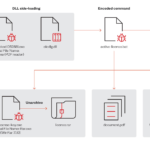
Yokai Backdoor campaign using DLL side-loading techniques
Thai government officials are currently facing a sophisticated cyber threat as they become the primary targets of a new malware campaign utilizing a technique known as DLL side-loading....

November 2024 APT attack trends in South Korea
In November 2024, South Korea faced a surge in Advanced Persistent Threats (APTs), with spear phishing being the most prevalent attack vector. This report by AhnLab highlights key...

Unmasking north korean IT workers targeting global tech sectors
In today’s digital landscape, organizations face an escalating threat from cybersecurity attacks, leading to severe financial and reputational consequences. Cybersecurity encompasses a comprehensive arsenal of technologies, processes, and...
TeamTNT resurfaces: cybersecurity experts warn of new cloud server attacks
The notorious hacking group TeamTNT has returned with a new campaign targeting Virtual Private Server (VPS) infrastructures running on the CentOS operating system. This attack highlights the escalating...

Fileless Remcos RAT: a threat to watch out for in weaponized Excel documents
Remcos, a Remote Access Trojan (RAT), has been actively used in cybercriminal campaigns since 2016. Recently, cybersecurity researchers have uncovered a new wave of malware operations involving Excel...
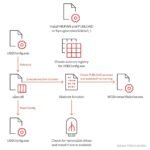
Preta Power: innovative tools empower cyber enhancement initiatives
Earth Preta, the notorious Chinese Advanced Persistent Threat (APT) group, has been active for over a decade, targeting government entities, academia, and research organizations globally. Their recent addition...