
SpearSpecter: Iran’s Patient, multi-layered targeting campaign
The cybersecurity landscape is increasingly characterized by sophistication, and the ongoing SpearSpecter campaign represents a particularly concerning evolution in state-sponsored espionage. This isn’t a blunt instrument of brute-force...

The AppCloud anomaly: pre-installed surveillance on Samsung Galaxy devices
The recent accusations surrounding Samsung’s deployment of the AppCloud analytics application within its Galaxy A and M series smartphones, primarily targeting the Middle East and North Africa (MENA)...
Unmasking FrigidStealer: advanced macOS malware analysis and detection
FrigidStealer represents a sophisticated evolution in macOS-targeted malware, combining social engineering with technical evasion tactics to compromise sensitive data. First observed in January 2025, this information stealer masquerades...
Katz Stealer: infostealers targets 78+ Chromium and Gecko-based browsers
A newly uncovered information stealer, dubbed Katz Stealer, has rapidly emerged as a formidable threat to both enterprise and individual users by targeting an unprecedented range of over...
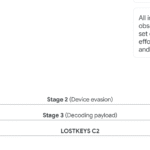
New malware LOSTKEYS uncovered in COLDRIVER campaign targeting Western governments and NGOs
The Google Threat Intelligence Group (GTIG) has recently uncovered a sophisticated new malware strain, dubbed LOSTKEYS, deployed by the Russian state-sponsored threat actor COLDRIVER (also known as UNC4057,...

Hijacking Trust: how Gmail and Google APIs are being weaponized for stealthy C2 channels
In the ever-evolving landscape of cybersecurity, attackers are increasingly exploiting trusted services to establish covert command-and-control (C2) channels. By leveraging platforms like Gmail and Google Drive, threat actors...

Crocodilus: a sophisticated new Android banking trojan emerges
A new Android banking trojan, dubbed Crocodilus, has been discovered targeting users primarily in Spain and Turkey. This malware isn’t just another clone; it’s a fully-fledged threat employing...
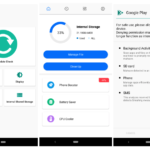
New Android spyware “KoSpy” linked to North Korean APT37
A new Android spyware, dubbed “KoSpy,” has been discovered by researchers at Lookout, adding another concerning tool to the arsenal of North Korean threat actors. This spyware, attributed...