
Microsoft 365 Session Hijacking Campaigns Hide Behind Trusted Remote-Support Tools
Campaigns spanning the United States and Europe are combining adversary-in-the-middle phishing with legitimate remote-management software. Stolen session cookies can outlive password resets, forcing defenders to revoke tokens and...
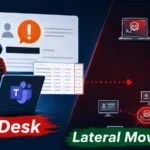
Fake Teams Help-Desk Calls Turn Remote Support Into a Path Toward Domain Control
A campaign dubbed Spring Ring used external Microsoft Teams accounts and convincing help-desk calls to push remote-access tools and malware. In some cases, the attackers progressed toward SMB...
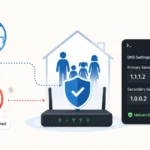
A Free DNS Change Can Add a Security Filter to Every Device on Your Home Network
Cloudflare's malware-filtering DNS service can block connections to known malicious and phishing domains across an entire home network. The simple router change is useful as an added layer,...
Mirage2FA Phishing Kit Hijacks Microsoft 365 Sessions at 3,500+ Organizations, Sidestepping MFA Entirely
A phishing-as-a-service kit called Mirage2FA has compromised thousands of Microsoft 365 accounts by stealing live session cookies through an adversary-in-the-middle proxy, letting attackers walk past passwords and MFA...
How One Phishing Email Let Attackers Bypass MFA and Redirect a Company’s Vendor Payments
An HR-themed phishing lure led a finance employee to a fake Microsoft 365 login that stole an authenticated session cookie, letting attackers bypass MFA entirely. Over the following...
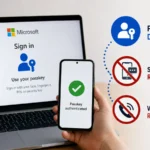
Microsoft Sets Hard Deadline to Kill SMS and Voice Login Codes in Entra ID, Pushes Passkeys Instead
Microsoft is moving to make passkeys the default sign-in method across Entra ID while permanently retiring native SMS and voice-based multi-factor authentication by February 2027. The company says...
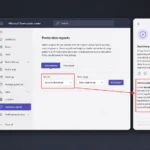
Microsoft Is Giving Teams Admins a Single Dashboard to Catch Phishing and Malware in Chats
Microsoft is rolling out a new Security Detection Report inside the Teams admin center that consolidates impersonation attempts, malicious links, and dangerous file types into one exportable dashboard....
Hackers Are Turning Plain CSS Into Keyloggers Hidden Inside Everyday Emails
Security researcher Gareth Heyes has demonstrated that ordinary CSS styling code, not JavaScript or malware, can be weaponized to hijack webmail interfaces and capture passwords keystroke by keystroke....