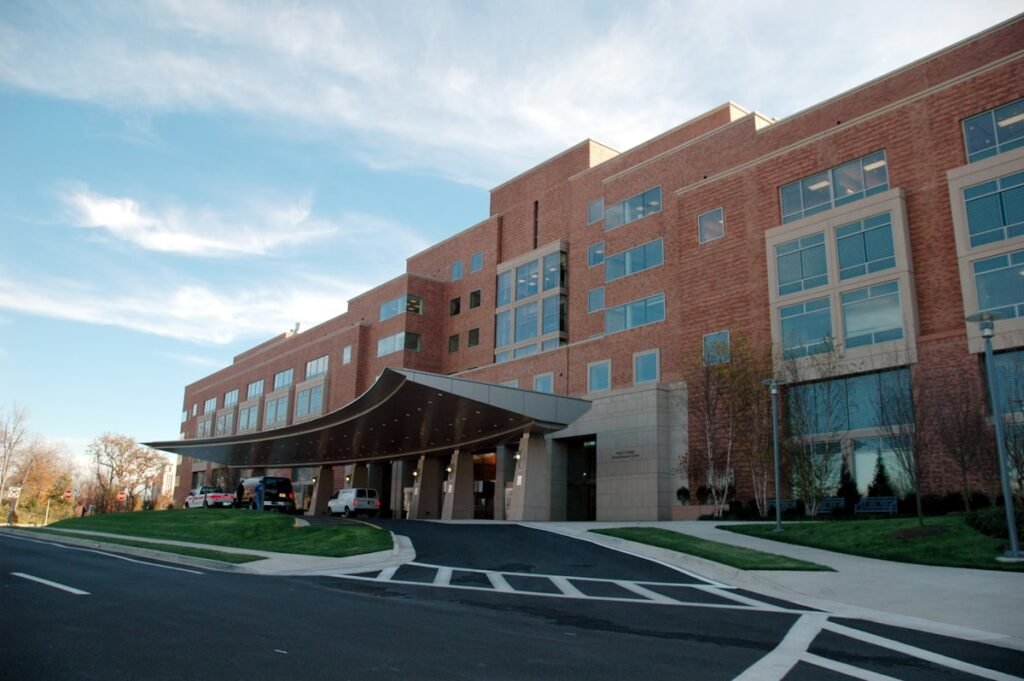
A newly emerged ransomware operation calling itself BLACKWATER has made a dramatic debut, claiming its first major victim: Medical Park Hospitals Group, Turkey’s largest private healthcare network. According to the group’s leak portal, the attackers exfiltrated approximately 3.3 terabytes of data from the hospital chain — which operates 36 hospitals across the country — and have threatened to publish the stolen files if their ransom demand is not met. The initial compromise reportedly occurred around March 20, 2026, with the public announcement appearing on April 12, 2026.
Who Is BLACKWATER?
BLACKWATER is a newly identified ransomware operation with no established public track record prior to this incident. The group’s emergence follows the double-extortion playbook that has become standard in the ransomware industry: attackers first infiltrate target networks and steal sensitive data, then deploy ransomware to encrypt systems, and finally threaten to publicly release the exfiltrated data unless a ransom is paid within a set deadline.
The choice of a large healthcare provider as the first publicly announced target is consistent with a troubling industry trend. Healthcare organizations manage vast stores of sensitive patient data, are often more vulnerable due to legacy infrastructure and budget constraints, and face enormous operational pressure to restore services quickly — all factors that make them highly attractive targets for ransomware groups seeking to maximize leverage.
The Attack on Medical Park Hospitals Group
Medical Park Hospitals Group is Turkey’s largest private healthcare network, comprising 36 hospitals and serving hundreds of thousands of patients annually. The scale of the alleged breach — 3.3 TB of stolen data — suggests attackers had prolonged access to internal systems before triggering their ransomware payload.
According to BLACKWATER’s leak site announcement, the stolen data includes patient records, financial data, and operational files. No specific ransom demand figure has been made public, and no leaked data samples have surfaced as of the time of this writing — indicating that negotiations may still be ongoing or the group is waiting for its deadline to pass before escalating.
Medical Park Hospitals Group had not issued a public statement confirming the attack at the time of publication.
Why Healthcare Is Under Siege
The targeting of healthcare organizations by ransomware groups is not new, but it has intensified significantly in recent years. Healthcare remains one of the most-targeted sectors globally for ransomware attacks, for several interconnected reasons:
- High-value data: Medical records fetch premium prices on dark web marketplaces, containing names, social security numbers, insurance details, and sensitive health information.
- Operational criticality: Hospital downtime can directly endanger patient lives, increasing pressure on administrators to pay ransoms quickly.
- Legacy infrastructure: Many healthcare networks run outdated operating systems and medical devices that cannot be easily patched.
- Complex supply chains: Large hospital networks interface with dozens of third-party vendors and software platforms, each representing a potential entry point for attackers.
The BLACKWATER attack fits this pattern precisely: a large, operationally critical organization with a rich data environment and significant motivation to restore systems swiftly.
Double Extortion: The Modern Ransomware Standard
BLACKWATER’s approach exemplifies the double-extortion model that emerged as the dominant ransomware strategy beginning around 2020. Unlike earlier ransomware operations that simply encrypted files and demanded payment for decryption keys, modern groups like BLACKWATER exfiltrate data before encryption. This ensures that even if a victim organization has robust backups and can restore systems without paying, the threat of a data leak remains as a secondary lever for extortion.
The tactic is particularly effective against healthcare providers, who face strict regulatory requirements around patient data disclosure (such as HIPAA in the United States and KVKK in Turkey) and can face substantial fines and reputational damage from confirmed breaches.
Recommended Defensive Measures for Healthcare Organizations
In light of this attack and the broader ransomware threat landscape, healthcare security teams should prioritize the following:
- Verify that all offline and immutable backups are current, tested, and genuinely isolated from the production network
- Implement network segmentation to limit lateral movement across clinical and administrative systems
- Enforce multi-factor authentication on all remote access points, including VPNs and RDP
- Conduct tabletop incident response exercises simulating a ransomware scenario
- Monitor for early-stage indicators like large-scale internal data movement or unexpected use of archiving tools
- Audit third-party vendor access and apply the principle of least privilege throughout
The debut of a new ransomware group like BLACKWATER serves as a reminder that the threat landscape continues to evolve. Organizations in the healthcare sector — already a prime target — must treat ransomware preparedness as an ongoing operational priority, not a one-time project.
Leave a Reply
You must be logged in to post a comment.